
Managing Endometriosis While Trying to Conceive
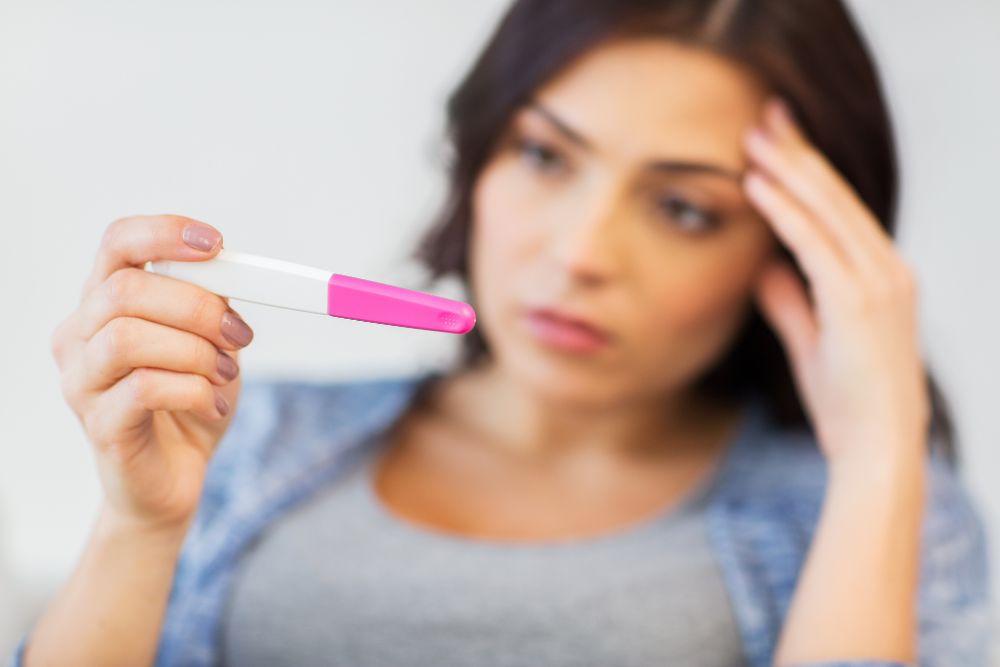
Endometriosis affects roughly 1 in 10 women of reproductive age, and for those who are also trying to build a family, the diagnosis adds a layer of complexity that goes well beyond pain management. The same treatments used to control endometriosis symptoms, like hormonal suppression, surgery, and anti-inflammatory medications, can affect ovarian reserve. Getting pregnant with endometriosis is absolutely possible, but the approach matters. Here’s what that looks like in practice.
Balancing Pain Management With Fertility Goals
Unfortunately, many of the most effective treatments for managing endometriosis work by suppressing ovulation or creating a hormonal environment that is incompatible with conception. For instance, progestins and combined hormonal contraceptives are commonly used to reduce pain and slow disease progression, but neither supports pregnancy while in use. That doesn’t mean they have no role in a fertility plan; it just means their role needs to be intentional.
Depending on disease severity and individual factors, some physicians use a period of hormonal suppression before IVF to reduce active endometrial lesions and improve the uterine environment before retrieval and transfer. Surgery is another consideration that requires careful thought. Removing endometriomas or excising lesions can improve the pelvic environment and, in some cases, reduce pain enough to make conception attempts more viable. However, surgery carries the risk of reducing ovarian reserve, particularly with repeat procedures.
Ultimately, the best decision is made when you've weighed the benefits against any risks, and in collaboration with specialists who can evaluate the full picture.
When to Move From Expectant Management to Fertility Treatment
Not every woman with endometriosis needs assisted reproductive technology to conceive. Many women become pregnant without intervention, and for those who are younger with no other identified fertility factors, a period of monitored natural trying-to-conceive may be appropriate. But expectant management is not the same as indefinite waiting, and for women with endometriosis, the timeline matters more than it might for others.
Endometriosis is a progressive disease in many patients. Ovarian reserve can decline over time, disease can spread, and the pelvic environment can worsen with each menstrual cycle. Waiting longer does not typically improve the odds, and in some cases, it reduces them. The standard recommendation of trying for 12 months before seeking evaluation applies to the general population, but for women with a known endometriosis diagnosis, reproductive specialists suggest evaluation after six months or sooner.
Lifestyle, Inflammation, and Coordinated Care
While lifestyle changes cannot treat endometriosis, reducing inflammation supports both symptom management and the overall environment in which conception occurs. An anti-inflammatory diet rich in vegetables, legumes, whole grains, fatty fish, and olive oil, with limited processed foods, red meat, and refined sugars, is frequently recommended as a supportive measure. Regular exercise also plays a role. It supports hormonal balance, reduces stress, and has demonstrated anti-inflammatory effects.
In addition to lifestyle changes, coordinated care is essential for women managing endometriosis while trying to conceive. A reproductive endocrinologist, a gynecologic surgeon experienced in endometriosis, and, in some cases, a pelvic pain specialist may all play a role in a comprehensive treatment plan. Fragmented care can lead to decisions that optimize one goal at the expense of the other, and you benefit from a team that is aligned around both managing the disease and preserving fertility.
Don’t Wait for Symptoms to Worsen Before Seeking Evaluation
If you have been diagnosed with endometriosis and are considering pregnancy – even if not immediately – a fertility evaluation now can give you a clearer picture of where your ovarian reserve stands and what your options look like. That information is valuable regardless of when you ultimately decide to try. It allows for planning, for preserving eggs, and for making treatment decisions with full awareness of the fertility implications. Being informed early makes a meaningful difference.
Here at Washington Fertility Center, our team specializes in the intersection of endometriosis and reproductive medicine. If you’re ready to understand your options, we’re here to help you navigate them.